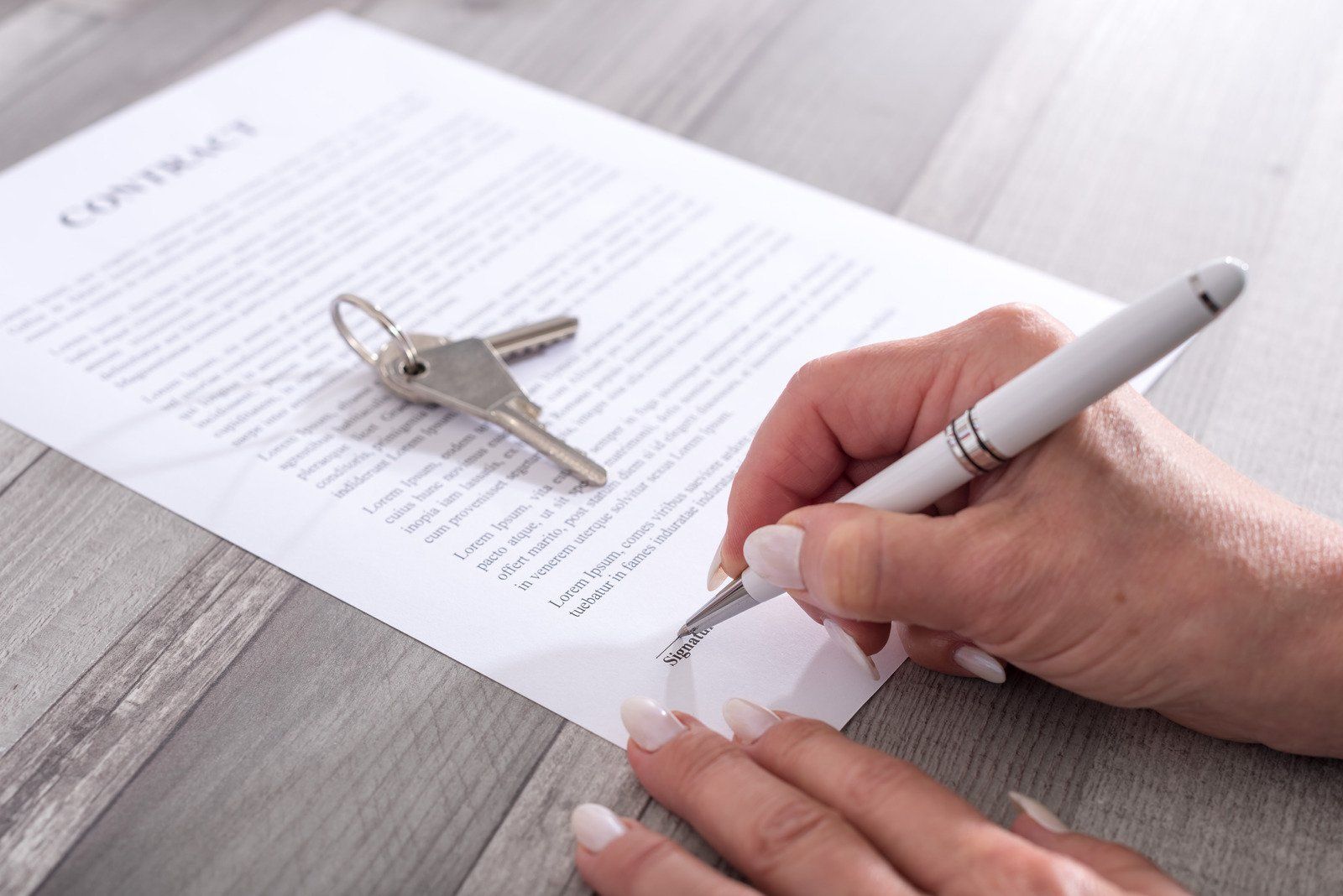
A Transaction Coordinator’s Guide to Staying Organized From Contract to Close
Contract-to-close tips to help Colorado agents stay organized and reduce closing stress.

Getting a home under contract is a big milestone, but it is not the finish line.
For Colorado real estate agents, the contract-to-close period is where details, deadlines, communication, and organization matter most. Between inspection timelines, appraisal coordination, lender updates, title work, HOA documents, disclosures, repair negotiations, and closing deadlines, there are a lot of moving pieces to manage.
A smooth transaction does not happen by accident. It happens when there is a clear process.
Whether you are a newer agent building good habits or an experienced Realtor managing multiple files at once, staying organized from contract to close can help reduce stress, improve the client experience, and keep important details from slipping through the cracks.
Start With a Contract Review
Once the contract is accepted, take time to review the file carefully before the transaction starts moving quickly.
Pay close attention to:
- Key dates and deadlines
- Earnest money amount and due date
- Inspection deadlines
- Appraisal deadlines
- Loan conditions and financing deadlines
- Title deadlines
- HOA or CIC document requirements
- Seller disclosure obligations
- Possession terms
- Inclusions and exclusions
- Additional provisions
- Any special terms or contingencies
This first review sets the tone for the rest of the transaction. If something is unclear, missing, or inconsistent, it is much easier to address early than right before closing.
Create a Deadline System Immediately
Deadlines are one of the most important parts of a real estate transaction.
Do not rely on memory or scattered notes. As soon as the contract is accepted, enter all important dates into your calendar, transaction management system, and checklist.
Important dates may include:
- Earnest money deadline
- Inspection objection deadline
- Inspection resolution deadline
- Appraisal deadline
- Loan conditions deadline
- Title objection deadline
- Off-record title deadline
- HOA document deadline
- Closing date
- Possession date
- Final walkthrough timing
Use reminders before each deadline, not just on the deadline date. A reminder two or three days ahead can help prevent rushed communication and last-minute stress.
Organize the File Early
A disorganized file can create problems later.
Create a clean folder or transaction file where all documents, emails, receipts, amendments, inspection documents, title documents, lender updates, and closing-related items can be stored.
A basic transaction file may include:
- Executed contract
- Amendments and counterproposals
- Seller disclosures
- Lead-based paint disclosure, if applicable
- Earnest money receipt
- Inspection documents
- Appraisal-related communication
- Lender updates
- Title commitment
- HOA or CIC documents
- Repair agreements
- Closing instructions
- Final settlement statement
The goal is to make the file easy to understand if you, your broker, your assistant, or a transaction coordinator needs to review it.
Communicate Early With All Parties
A transaction can feel chaotic when everyone is waiting for someone else to provide an update.
After the contract is accepted, make sure the appropriate parties have what they need.
This may include:
- Sending the contract to the lender
- Confirming title company information
- Sending required documents to the title company
- Confirming earnest money instructions
- Introducing key parties when appropriate
- Confirming inspection scheduling
- Clarifying communication expectations with your client
Clear communication early in the process helps prevent confusion later.
Keep Clients Updated Before They Ask
Clients may not always understand what happens between contract and closing. Even when everything is moving smoothly, silence can create anxiety. A simple weekly update can make a big difference.
Client updates may include:
- What has been completed
- What is currently pending
- What deadline is coming next
- Whether anything is needed from the client
- What to expect in the next few days
Buyers and sellers usually do not need every behind-the-scenes detail, but they do need to feel informed. A client who feels guided through the process is more likely to have confidence in you and your team.
Stay Ahead of Inspection and Repair Deadlines
The inspection period can be one of the most stressful parts of the transaction.
To stay organized, track:
- Inspection date and time
- Inspection objection deadline
- Inspection resolution deadline
- Contractor estimates, if needed
- Repair agreements
- Receipts or proof of completion
- Any follow-up inspections
Repair negotiations should be documented clearly. If the parties agree to repairs, credits, price adjustments, or other changes, make sure the paperwork matches the agreement.
This is also a good time to keep the client focused on priorities. Not every inspection item carries the same weight, and not every issue needs to derail the transaction.
Monitor Lender, Appraisal, and Title Progress
Even when you are not the lender or title company, it is still important to monitor progress.
Check in on:
- Loan application status
- Appraisal order and completion
- Appraisal value or required repairs
- Title commitment delivery
- Title objections or concerns
- HOA or CIC documents
- Payoff information, if applicable
- Closing document preparation
A transaction can stall when one missing item is not noticed until the last minute. Regular check-ins help keep the closing timeline on track.
Keep a Running “Open Items” List
One of the easiest ways to stay organized is to keep a running list of open items.
This list should include anything that still needs to be completed, confirmed, signed, reviewed, or followed up on.
Examples may include:
- Missing signatures
- Pending inspection response
- Earnest money receipt
- Lender update
- Appraisal status
- Repair invoice
- HOA documents
- Title question
- Final walkthrough scheduling
- Closing confirmation
Review the list often and update it as items are completed. This keeps the transaction from living only in your inbox.
Prepare for Closing Before Closing Week
Closing week should not be the first time everyone starts confirming final details.
Before closing week, review:
- Final walkthrough timing
- Possession terms
- Utility transfer instructions
- Repairs or agreed items
- Closing location or mobile notary details
- Funds needed to close
- Wire fraud reminders
- Client identification requirements
- Keys, garage openers, mailbox keys, and access items
- Settlement statement review
The more you confirm ahead of time, the smoother closing week feels for everyone involved.
Common Contract-to-Close Mistakes to Avoid
Even experienced agents can get overwhelmed when managing multiple transactions.
Common mistakes include:
- Waiting too long to enter deadlines
- Not confirming earnest money receipt
- Letting inspection timelines sneak up
- Missing title or HOA document deadlines
- Not keeping clients updated
- Allowing important details to stay buried in email
- Waiting until closing week to review open items
- Assuming someone else is handling a task without confirming
A strong system helps prevent these mistakes and creates a better experience for the agent, the client, and everyone involved in the transaction.
When a Transaction Coordinator Can Help
Many agents can manage one or two transactions on their own, but the process becomes harder as business grows.
A transaction coordinator can help with the administrative and deadline-driven details of the transaction, including file organization, deadline tracking, document follow-up, communication support, and closing coordination.
A transaction coordinator does not replace the Realtor. The agent still leads the client relationship, negotiates, advises, and makes key decisions.
The coordinator supports the process behind the scenes so the agent has more time to focus on clients, showings, negotiations, and business growth.
Final Thoughts
Staying organized from contract to close is one of the best ways to create a smoother transaction experience.
For Colorado real estate agents, the details matter. A clear system can help you manage deadlines, keep clients informed, reduce stress, and avoid last-minute surprises.
The more organized your process is, the more confident your clients will feel.
If you are ready for more support behind the scenes, TransActive provides transaction coordination services for Colorado Springs real estate agents, with support also available for agents in Denver and throughout Colorado.
Need help staying organized from contract to close?
TransActive provides contract-to-close transaction coordination support for Colorado real estate agents.
Contact Us Today to Learn More.
Nadja Dorfman
Owner and Transaction Coordinator, Transactive LLC